Demystifying Knowledge Representation
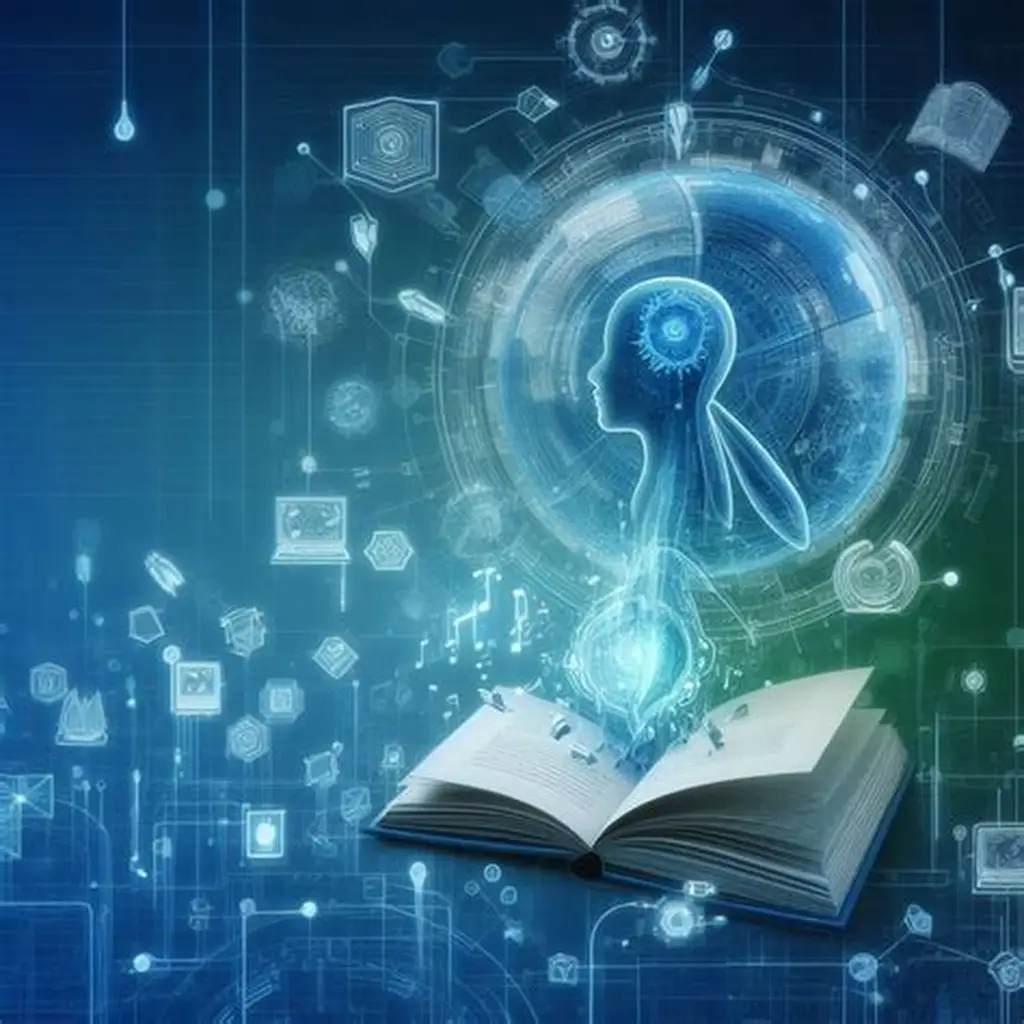
Knowledge Representation (KR) is a cornerstone of Artificial Intelligence that focuses on how human knowledge can be structured, organized, and encoded so that computers can understand, process, and reason with it. From semantic networks that power Google Search to rule-based systems used in medical diagnosis, KR is everywhere in modern technology.
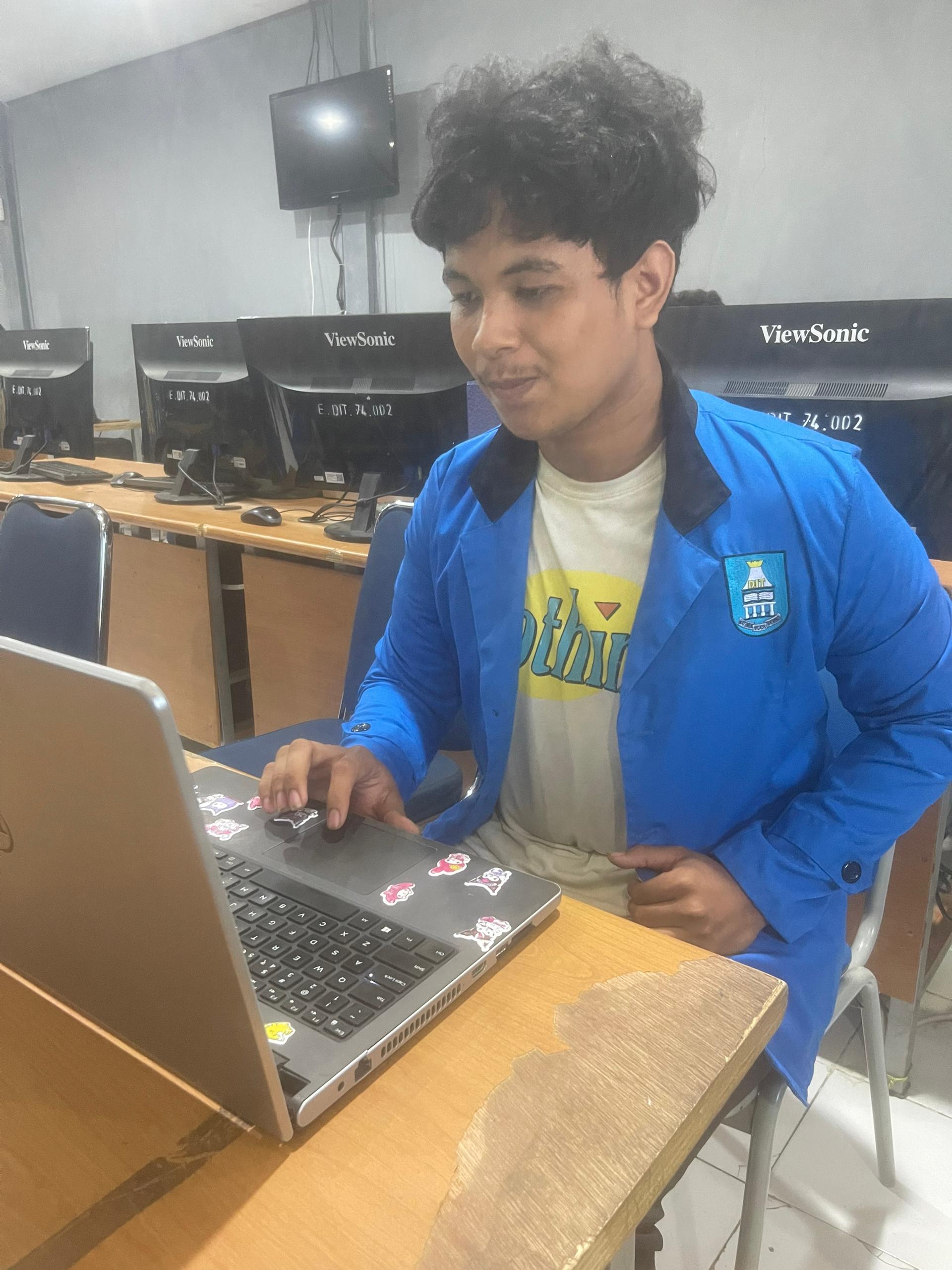
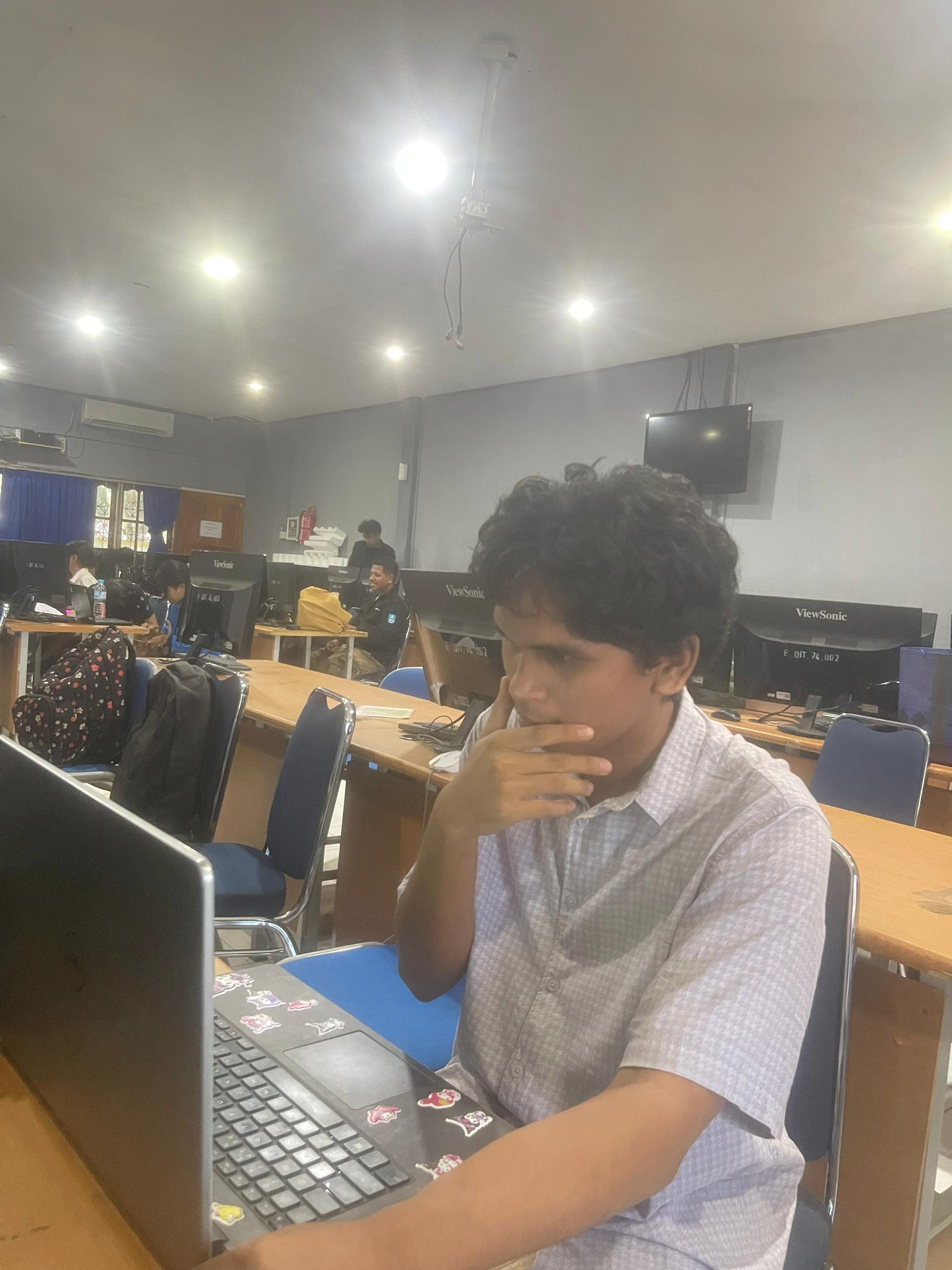
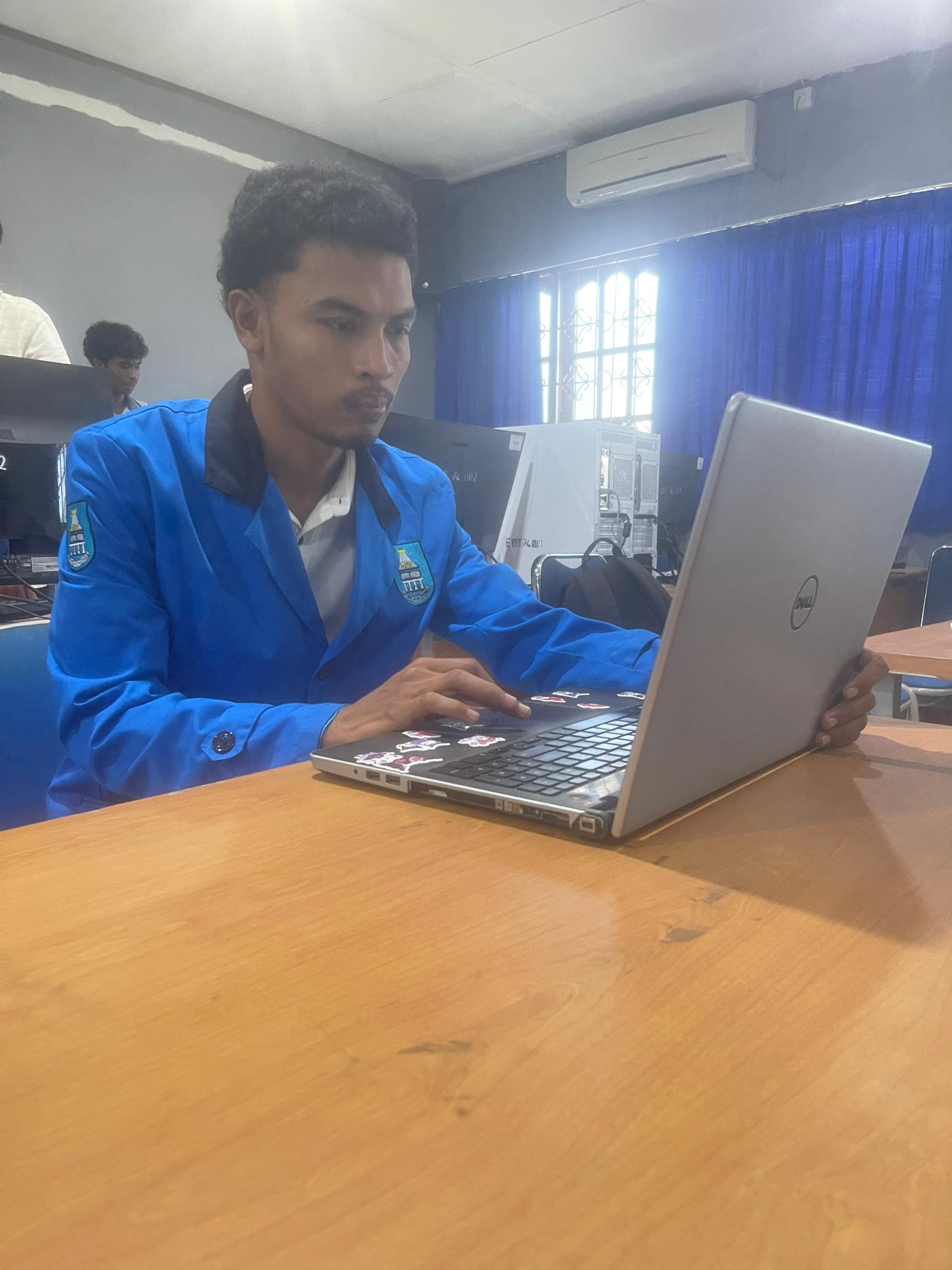
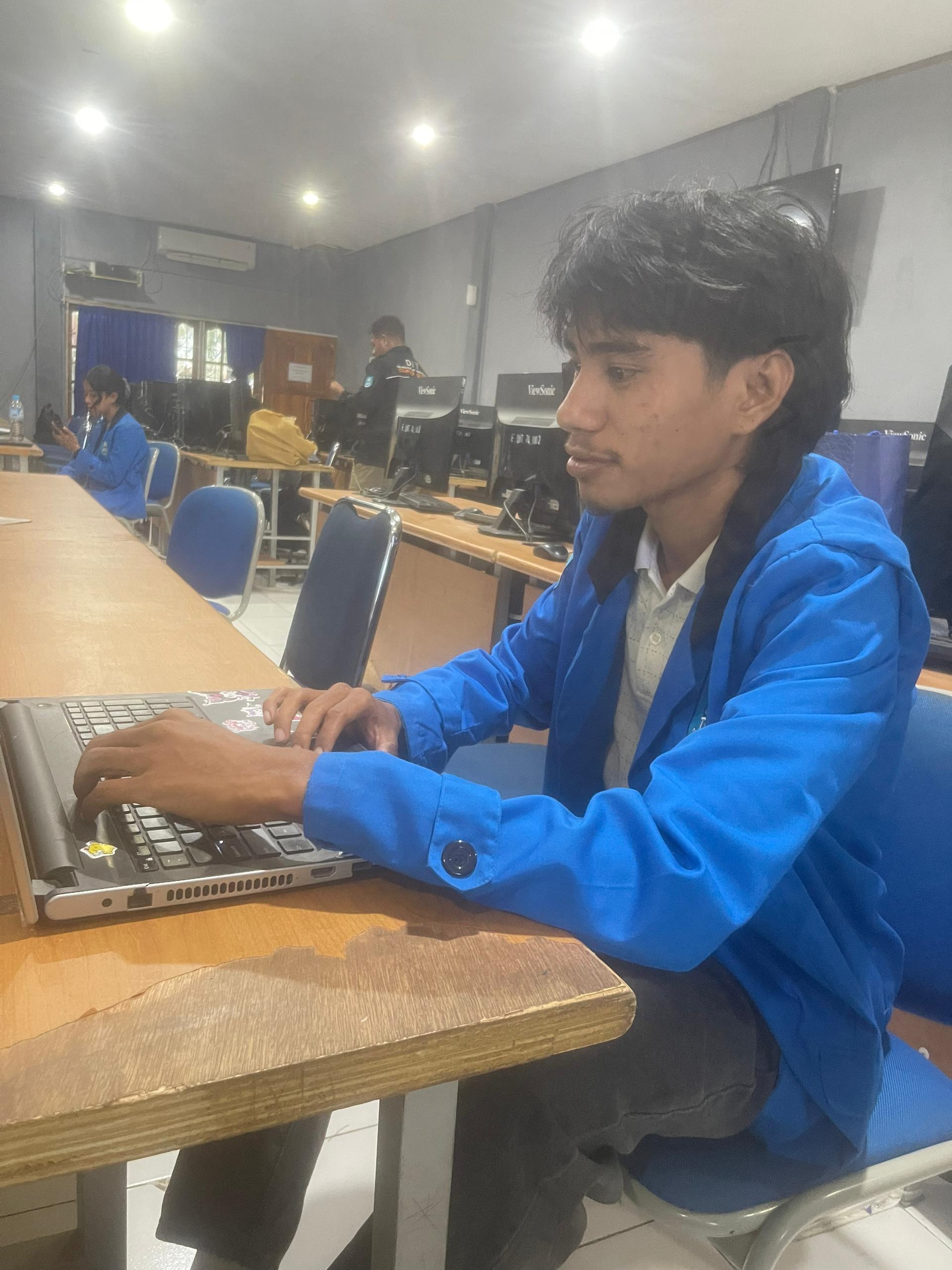
However, many students find KR concepts abstract and challenging to grasp. The theoretical nature of logic, ontologies, and inference mechanisms often creates a barrier to understanding. That's why we, a team of five Computer Science students from Dili Institute of Technology, came together to build this learning portal.
Our goal is simple: to explain Knowledge Representation in clear, accessible language with practical examples, visual aids, and interactive content. We believe that understanding KR is essential for anyone aspiring to work in AI, and we're committed to making this knowledge accessible to all students.
This website represents our collective effort to bridge the gap between complex KR theories and student understanding. Each team member brought unique skills—from frontend development to content creation—to build a resource that we hope will benefit countless learners.
What makes our approach unique? We focus on breaking down complex topics like:
- Logical Representation: Propositional and predicate logic explained with everyday examples
- Semantic Networks: Visualizing relationships between concepts like animals, objects, and actions
- Frames and Scripts: Understanding how AI represents stereotypical situations
- Production Rules: IF-THEN rules that power expert systems
- Ontologies: How knowledge is structured in domains like medicine and finance
- Inference Engines: The mechanisms that allow computers to reason with knowledge
Through countless hours of collaboration, research, and development, we've created a platform that transforms abstract KR concepts into engaging, understandable content. We invite you to explore our resources and join us on this journey to demystify one of AI's most fascinating fields.